
Simple grounding exercises to help university students manage anxiety
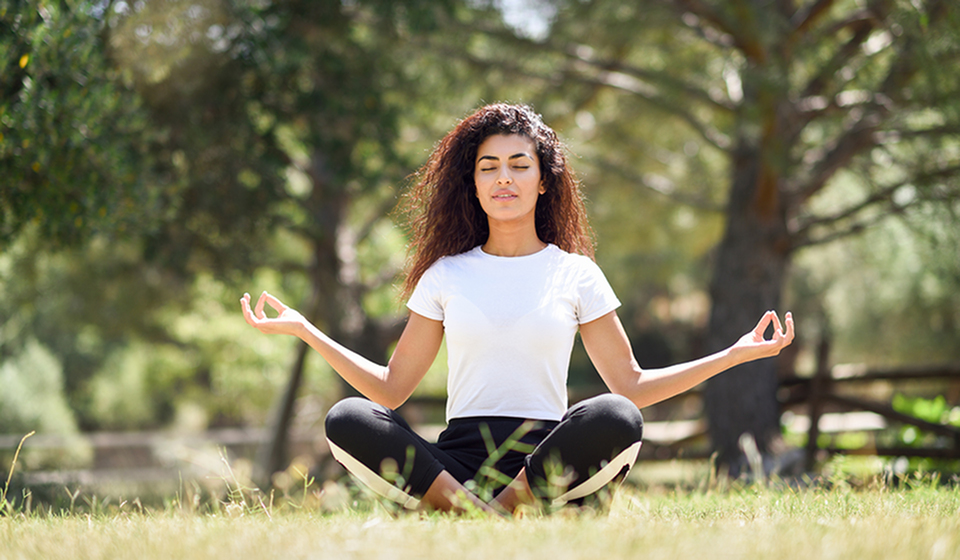
Life as a university student can bring many pressures, deadlines, exams, social expectations, and the challenge of balancing responsibilities. When stress builds up, anxiety can make it hard to focus, sleep well, or feel grounded in the present. Grounding exercises are simple tools that help you bring your mind back to the here and now. These exercises use your senses, breathing, and body awareness to calm racing thoughts and reduce tension.
For students living in fully furnished off-campus residences near Ontario Tech University, managing anxiety can be even easier. Having a comfortable, ready-to-move-in home provides a calming, supportive environment where you can relax, study, and recharge. With thoughtfully designed spaces that encourage focus and comfort, these student rentals aren’t just places to sleep—they’re your sanctuary for balancing university, life, and wellness.
The 5-4-3-2-1 method
One of the most popular grounding techniques is the 5-4-3-2-1 method. This exercise engages your senses to bring your awareness back to the present moment.
- 5 things you can see – Look around and name five things in your environment. It could be your laptop, a pen, the trees outside the window, or a classmate’s backpack.
- 4 things you can touch – Notice textures around you. Maybe it’s the fabric of your shirt, the surface of your desk, or the feeling of the floor beneath your feet.
- 3 things you can hear – Tune in to the sounds nearby, such as chatter in the hallway, birds outside, or the hum of the air conditioning.
- 2 things you can smell – Pay attention to scents in the room. If you can’t identify any, think of a favourite smell like fresh coffee or baked bread.
- 1 thing you can taste – Focus on a lingering taste in your mouth, or grab a sip of water or tea to complete the exercise.
This method is especially helpful before a big presentation, exam, or whenever you feel overwhelmed.
Deep breathing with counting
Breathing exercises are powerful tools for calming the nervous system. One simple grounding technique is deep breathing with counting.
- Inhale slowly through your nose for a count of four.
- Hold your breath for a count of four.
- Exhale through your mouth for a count of four.
- Pause for a count of four before repeating.
This “box breathing” method slows your heart rate and gives your body a clear signal to relax. Even two to three minutes of focused breathing can reduce anxiety and improve concentration.
Grounding through movement
Sometimes, the best way to fight anxiety is to physically reconnect with your body. Movement-based grounding exercises are simple and discreet:
- Stretch your arms above your head and roll your shoulders.
- Press your feet firmly into the floor and notice the connection.
- Walk slowly, paying attention to each step and how your body feels as it moves.
Even a short walk around campus can shift your energy, release tension, and bring you back to the present moment.
The cold water trick
Changing your physical sensations can quickly interrupt anxious thought patterns. A quick and effective grounding exercise is using cold water:
- Splash your face with cool water.
- Hold an ice cube in your hand and notice how it feels as it melts.
- Sip a glass of cold water slowly, paying attention to each swallow.
This simple exercise provides immediate sensory input that helps redirect your mind away from anxious spirals.
Journaling the present moment
Grounding doesn’t always have to be physical; it can also be mental. Journaling is an excellent way to anchor yourself in the present. Try writing down:
- What you see around you.
- How do you feel physically at the moment?
- Three things you’re grateful for.
This helps shift your focus from anxious “what ifs” to what’s real and happening right now.
Visualization techniques
Visualization is a grounding method that uses imagination to create a sense of calm. Try closing your eyes and picturing a safe, peaceful place—perhaps a beach, a forest, or even your favourite study spot. Engage all your senses: what do you see, hear, smell, and feel in that place?
This exercise works well during moments of high stress, such as before a class presentation or when anxiety keeps you from sleeping.
Mindful object focus
Keep a small object with you—a smooth stone, a piece of jewellery, or even a pen. When anxiety strikes, hold the object and focus on its details:
- What colour is it?
- Is it smooth or rough?
- Does it feel heavy or light?
This technique gives your mind a concrete point of focus, pulling you away from anxious thoughts.
Why grounding exercises matter for students
University life can feel fast-paced and demanding, leaving little room to pause. Grounding exercises offer simple ways to slow down and manage stress in the moment. Instead of letting anxiety take control, these techniques remind you that you are safe, present, and capable of handling challenges.
When practiced regularly, grounding can improve focus, sleep quality, and overall well-being—helping students feel more confident as they navigate academic and personal life.
Conclusion
Anxiety is a natural stress response, but it doesn’t have to overwhelm your studies or life. Grounding exercises give you simple, immediate ways to return to the present. Whether by noticing what you see and feel, touching a small object, or running through mental tasks, these tools connect your mind and body to now, bringing calm instead of tension.
If you’re seeking a living space that supports your journey in stress, study, and community, Foundry 1805 offers fully furnished apartments designed for students. This residence builds a student community where shared spaces, study lounges, and quiet corners support both group work and personal reflection.